
Altitude
Ski week in Park City: hydration, altitude and the first 48 hours
Park City is at about 7,000 feet and the summit of Park City Mountain reaches 10,026. At altitude, dry air and faster breathing increase water loss while thirst tends to drop for a few days, so drink on a schedule rather than waiting to feel thirsty. The CDC advises avoiding alcohol for the first 48 hours at high altitude. A headache with nausea, dizziness or fatigue can be early altitude illness, which looks like dehydration or a hangover; if symptoms worsen or you are breathless at rest, get medical care.
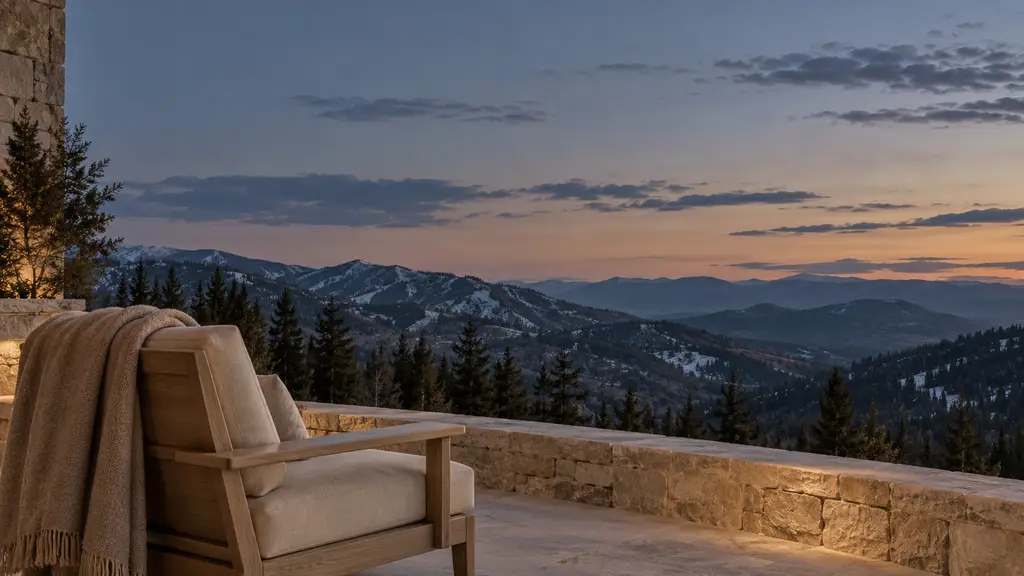
Most people who fly in for a ski week arrive from near sea level, land at 4,226 feet, and sleep at 7,000 the same night. The body notices, even when you do not.
The numbers
Park City sits at about 7,000 feet. The summit at Park City Mountain reaches 10,026 feet. Deer Valley and the Cottonwood resorts run higher still at the top.
What altitude does to your water
A review from the Institute of Medicine describes three effects. Low humidity and faster breathing increase water lost through the lungs and skin. Thirst tends to drop, then returns to normal over a few days. And there is often a short increase in urination lasting three to four days on average.
Utah's own visitor guidance says the same thing in fewer words: higher altitude brings less oxygen and lower humidity, increasing your need to urinate while decreasing thirst.
So the usual rule, drink when thirsty, fails for the first few days. A schedule works better.
Dehydration or altitude illness?
The two can look alike. The CDC describes acute mountain sickness as a headache with loss of appetite, dizziness, fatigue or nausea, and lists dehydration and alcohol hangover among the conditions clinicians consider alongside it. Risk rises for unacclimatized travelers sleeping at 8,000 feet or higher, and sometimes lower. Park City sits just under that line; a day on the upper mountain goes above it.
The signs of dehydration, from the NHS: thirst, headache, dark yellow urine, urinating less often, dizziness, tiredness, a dry mouth.
If a headache eases with fluids, food and rest, it was probably the dry air. If symptoms worsen through the day, or you are breathless at rest, confused or unsteady, do not assume it is dehydration. The CDC says descent is urgent in serious cases. Get medical care.
A plan for the first 48 hours
- Drink on a schedule. A glass when you wake, one with every meal, one before and after time on the mountain.
- Add electrolytes on long days. Visit Utah suggests a sports drink or powder on active days.
- Hold the alcohol. The CDC advises avoiding it for the first 48 hours at high altitude. It dehydrates, disrupts sleep and can mimic early altitude illness.
- Count the hot tub. Ski Utah notes that hot tubs and saunas speed up dehydration.
- Check the color. Light yellow urine suggests you are keeping up.
Where RESRV fits
For the ordinary tiredness of a long day at altitude in a dry room, we come to homes, rentals and hotels in Park City and Deer Valley. Your intake and clearance happen online before the visit, and a licensed nurse comes to your room after. Reset is the drip most often booked after travel. Every price is on the menu.
An IV supports hydration. It does not treat altitude illness. If you are unsure which you have, the answer is a clinician, not a booking.
This guide is general education, not medical advice.
Questions
How high is Park City?
About 7,000 feet at town level, according to the Utah Office of Tourism. The summit at Park City Mountain is 10,026 feet.
Why am I so thirsty and tired in Park City?
Higher altitude brings lower humidity and less oxygen, which increases urination and water loss while decreasing thirst. Many visitors fall behind on fluids in the first few days without noticing.
Should I drink alcohol my first night at altitude?
The CDC advises avoiding alcohol for the first 48 hours at high altitude. Alcohol also dehydrates, disrupts sleep and can mask or mimic early altitude illness.
Sources
- [1]Visit Utah — High-altitude tips for your Utah ski vacation
- [2]Park City Mountain — Mountain stats, elevation and snowfall
- [3]CDC Yellow Book — High-altitude travel and altitude illness
- [4]Institute of Medicine (1996) — Fluid metabolism at high altitudes, NCBI Bookshelf
- [5]Ski Utah — Altitude adjustment: preparing for your mountain town vacation
- [6]NHS — Dehydration
Want an IV today?
Call or text 385-521-5237. We'll find your time, send your intake right away, and your nurse practitioner reviews it before your visit.
Mon–Sat, 8 a.m.–8 p.m. · Sunday by request.
General education, not medical advice.
Supports general wellness. Not a substitute for medical care. Individual results vary. Every client is cleared by a licensed provider before a first service.