
Vitamin B12: what it does and which foods have it
Vitamin B12 is needed for healthy nerves, red blood cells and DNA. It comes almost entirely from animal foods such as clams, oysters, salmon, tuna, beef and milk. Adults need 2.4 mcg a day. Absorption depends on a protein made in the stomach, so older adults and people on some medicines absorb less.
What it does
Vitamin B12 is required for the development, myelination, and function of the central nervous system; healthy red blood cell formation; and DNA synthesis. (NIH)
Where you find it in food
Vitamin B12 is found naturally in foods of animal origin, including fish, meat, poultry, eggs and dairy products. (NIH)
| Food | Serving | Amount | % daily value | Servings to reach the daily value |
|---|---|---|---|---|
 Clams Clams |
3 ounces | 17 mcg | 708% | less than 1 |
 Oysters Oysters |
3 ounces | 14.9 mcg | 621% | less than 1 |
 Salmon Salmon |
3 ounces | 2.6 mcg | 108% | less than 1 |
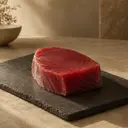 Tuna Tuna |
3 ounces | 2.5 mcg | 104% | less than 1 |
 Beef Beef |
3 ounces | 2.4 mcg | 100% | 1.0 |
 Milk Milk |
1 cup | 1.3 mcg | 54% | 1.8 |
Amounts are from the NIH Office of Dietary Supplements food table. "Servings to reach the daily value" is the daily value (2.4 mcg) divided by the amount per serving.
How much you absorb
- Vitamin B12 in food is bound to protein and must be released before it is absorbed, with help from intrinsic factor, a protein made in the stomach. (NIH)
- Absorption is about 50% at small doses, but only about 2% at doses of 500 mcg and 1.3% at doses of 1,000 mcg. (NIH)
Food, and where an IV fits
Food comes first. Most people get what they need from a varied diet, and a nutrient in food comes with fiber, protein and everything else the food carries.
An IV takes a different route. It delivers a nutrient straight into the bloodstream, so none of it depends on absorption in the gut. That can matter for people who absorb less, and your provider decides whether it is appropriate for you.
Vitamin B12 is in every named RESRV drip and is available as an add-in ($30).
Who tends to run low
About 3.6% of US adults have vitamin B12 deficiency, and about 12.5% have insufficiency. (NIH)
The NIH lists these groups among those more likely to fall short:
- Older adults
- People who follow vegetarian or vegan diets
- People with gastrointestinal disorders or surgery
- People with pernicious anemia
A lab panel ordered by your provider can show your own levels. See lab testing before IV therapy.
More from our notes
B12 is one of eight B vitamins. The B-complex is the family: thiamin, riboflavin, niacin, pantothenic acid, B6, biotin, folate and B12.
B vitamins help the body turn food into energy. B12 in particular helps keep the body's blood and nerve cells healthy and helps make DNA, and helps prevent megaloblastic anemia, a blood condition that makes people tired and weak.
Some people have a harder time getting enough B12 from food: older adults, who may have less stomach acid; vegetarians and vegans; and people with celiac disease, Crohn's disease, pernicious anemia or past stomach surgery. If that describes you, the right first step is a conversation and a blood test with your doctor, not a drip.
Questions about vitamin b12, answered in full
Sources
Want an IV today?
Call or text 385-521-5237. We'll find your time, send your intake right away, and your nurse practitioner reviews it before your visit.
Mon–Sat, 8 a.m.–8 p.m. · Sunday by request.
General education, not medical advice.
Supports general wellness. Not a substitute for medical care. Individual results vary. Every client is cleared by a licensed provider before a first service.