Vitamin D: what it does and which foods have it
Vitamin D helps the body absorb calcium and keep bones mineralized. Few foods contain it naturally; trout, salmon, UV-exposed mushrooms and fortified milk are among the best. Adults need 15 mcg (600 IU) a day. In US data, about 23% of people were at risk of low or inadequate levels.
What it does
Vitamin D promotes calcium absorption in the gut and keeps calcium and phosphate at the levels needed for normal bone mineralization. (NIH) It is also needed for bone growth and remodeling.
Where you find it in food
Vitamin D is found naturally in only a few foods, such as fatty fish, fish liver oils, beef liver, egg yolks and cheese. (NIH)
| Food | Serving | Amount | % daily value | Servings to reach the daily value |
|---|---|---|---|---|
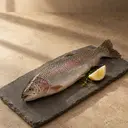 Trout |
3 ounces | 16.2 mcg | 81% | 1.2 |
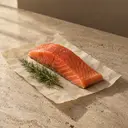 Salmon |
3 ounces | 14.2 mcg | 71% | 1.4 |
 Mushrooms |
½ cup | 9.2 mcg | 46% | 2.2 |
 Milk |
1 cup | 2.9 mcg | 15% | 6.9 |
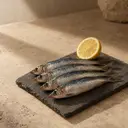 Sardines |
2 sardines | 1.2 mcg | 6% | 16.7 |
Amounts are from the NIH Office of Dietary Supplements food table. "Servings to reach the daily value" is the daily value (20 mcg) divided by the amount per serving.
How much you absorb
- Fat in the gut at the same time enhances vitamin D absorption, but some is absorbed even without dietary fat. (NIH)
Food, and where an IV fits
Food comes first. Most people get what they need from a varied diet, and a nutrient in food comes with fiber, protein and everything else the food carries.
An IV takes a different route. It delivers a nutrient straight into the bloodstream, so none of it depends on absorption in the gut. That can matter for people who absorb less, and your provider decides whether it is appropriate for you.
Vitamin D is available at RESRV as an injection (cholecalciferol, $30), not in the drips.
Who tends to run low
In US national data, 5% of people were at risk of vitamin D deficiency and another 18% at risk of inadequacy. (NIH)
The NIH lists these groups among those more likely to fall short:
- Older adults
- People with limited sun exposure
- People with dark skin
- People with conditions that limit fat absorption
A lab panel ordered by your provider can show your own levels. See lab testing before IV therapy.
Questions about vitamin d, answered in full
Sources
- [1]NIH Office of Dietary Supplements — Vitamin D: Fact Sheet for Health Professionals (checked September 2026)
Keep exploring
Nutrients found in the same foods
The nutrient library
Related
- GUIDE · 2 MIN READ: Zinc: what it does and which foods have it. What zinc does, the foods richest in it with amounts per serving from the NIH, and how getting it from food compares with an IV.
- GUIDE · 2 MIN READ: Biotin: what it does and which foods have it. What biotin does, the foods richest in it with amounts per serving from the NIH, and how getting it from food compares with an IV.
- GUIDE · 2 MIN READ: L-carnitine: what it does and which foods have it. What L-carnitine does, the foods richest in it with amounts per serving from the NIH, and how getting it from food compares with an IV.
- GUIDE · 3 MIN READ: How your body takes in nutrients from an IV. Nutrients you swallow pass through the gut and liver first, and some never reach your bloodstream. An IV delivers the full dose straight into a vein. Here is what that means, with vitamin C and B12 as examples.
Same-day visits are often available.
Call or text 385-521-5237 to ask about availability, or see how same-day visits work. New clients complete a secure intake and talk with Kellie Page, APRN, FNP-C, by phone or video before the first visit.
Monday–Saturday, 8 a.m.–8 p.m. Sunday by request. After-hours visits by request until midnight. Online booking is open 24/7.
General education, not medical advice.
Supports general wellness. Not a substitute for medical care. Individual results vary. Every client is cleared by a licensed provider before a first service.